Emergence of Street Art in the 1980s:
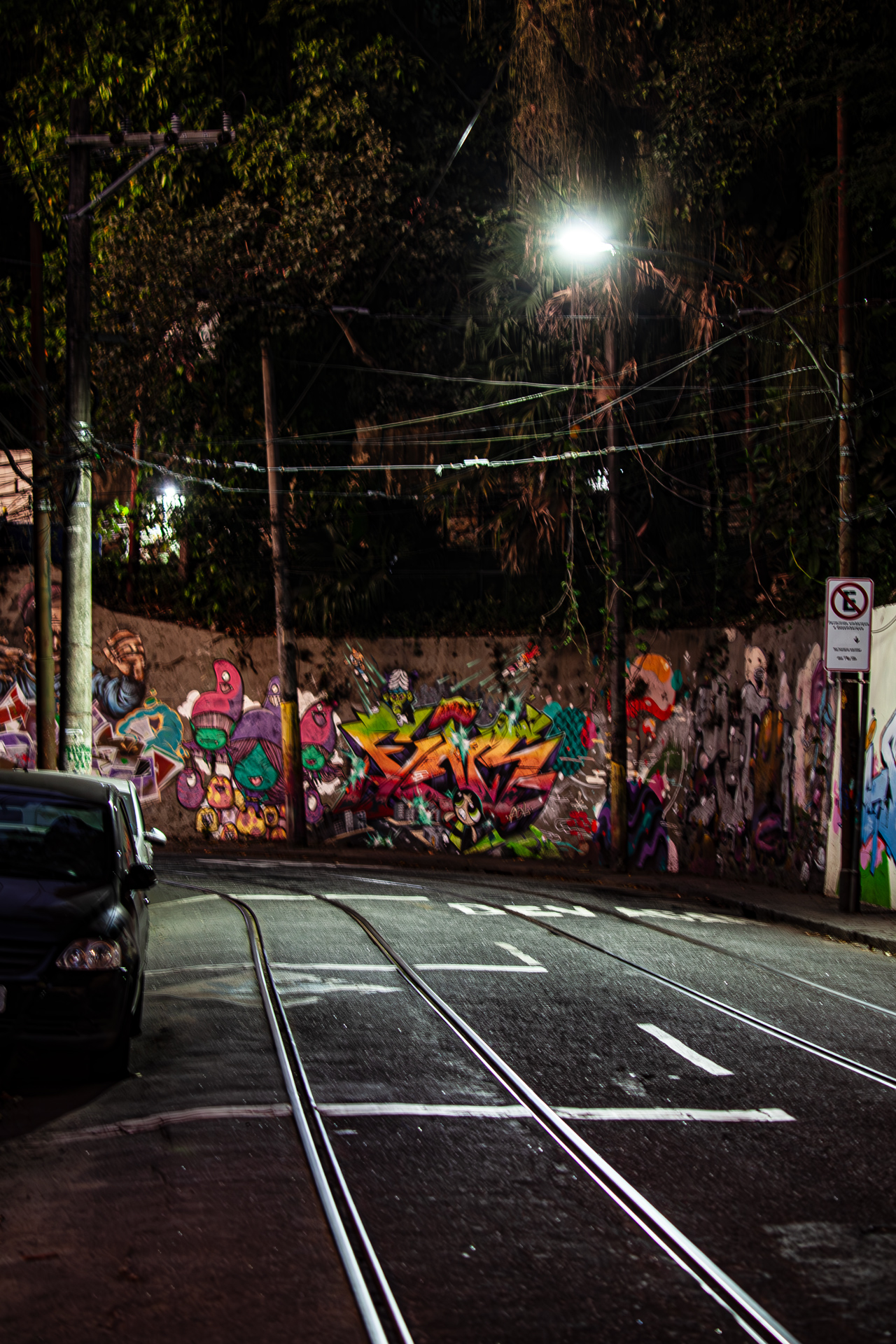
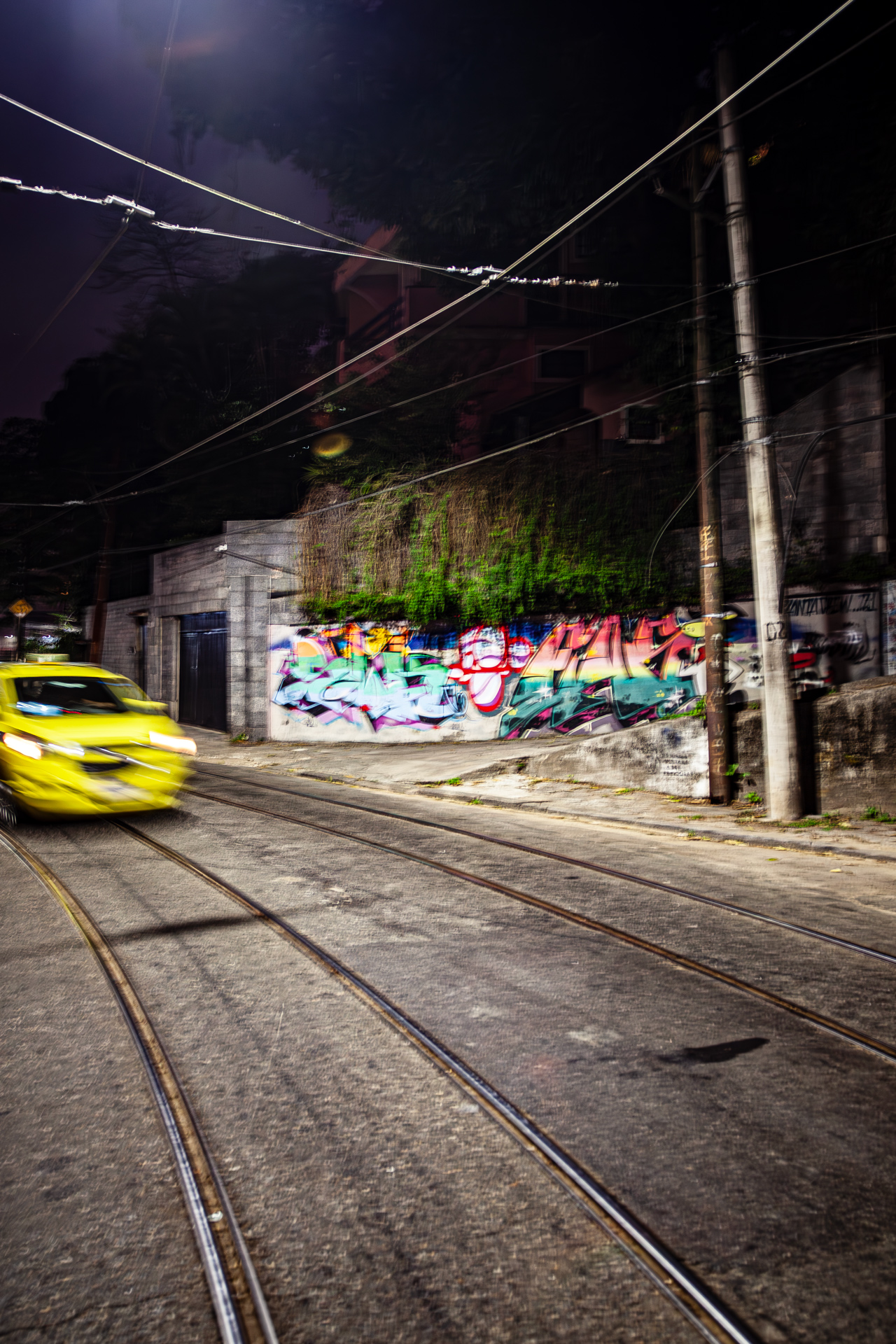
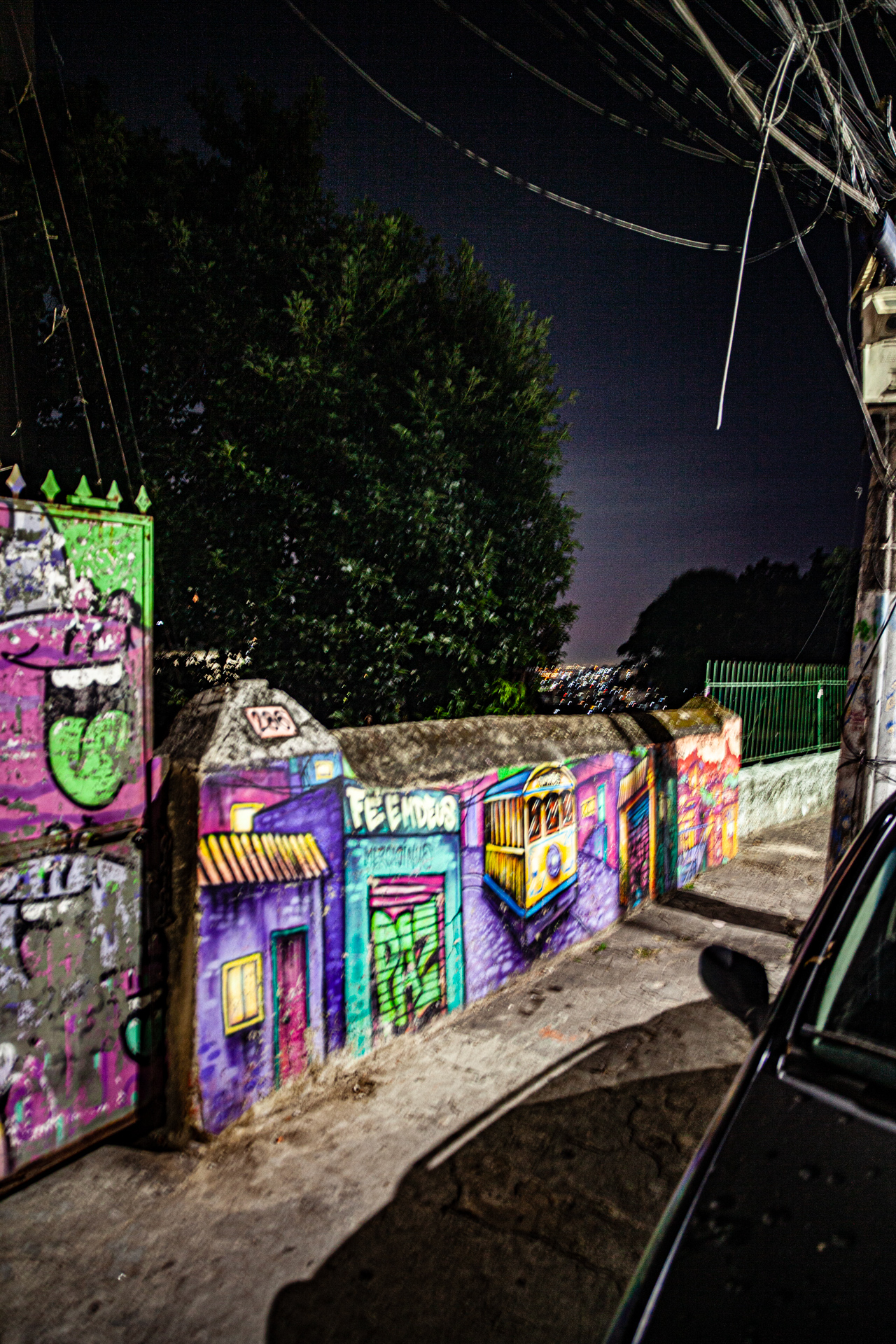
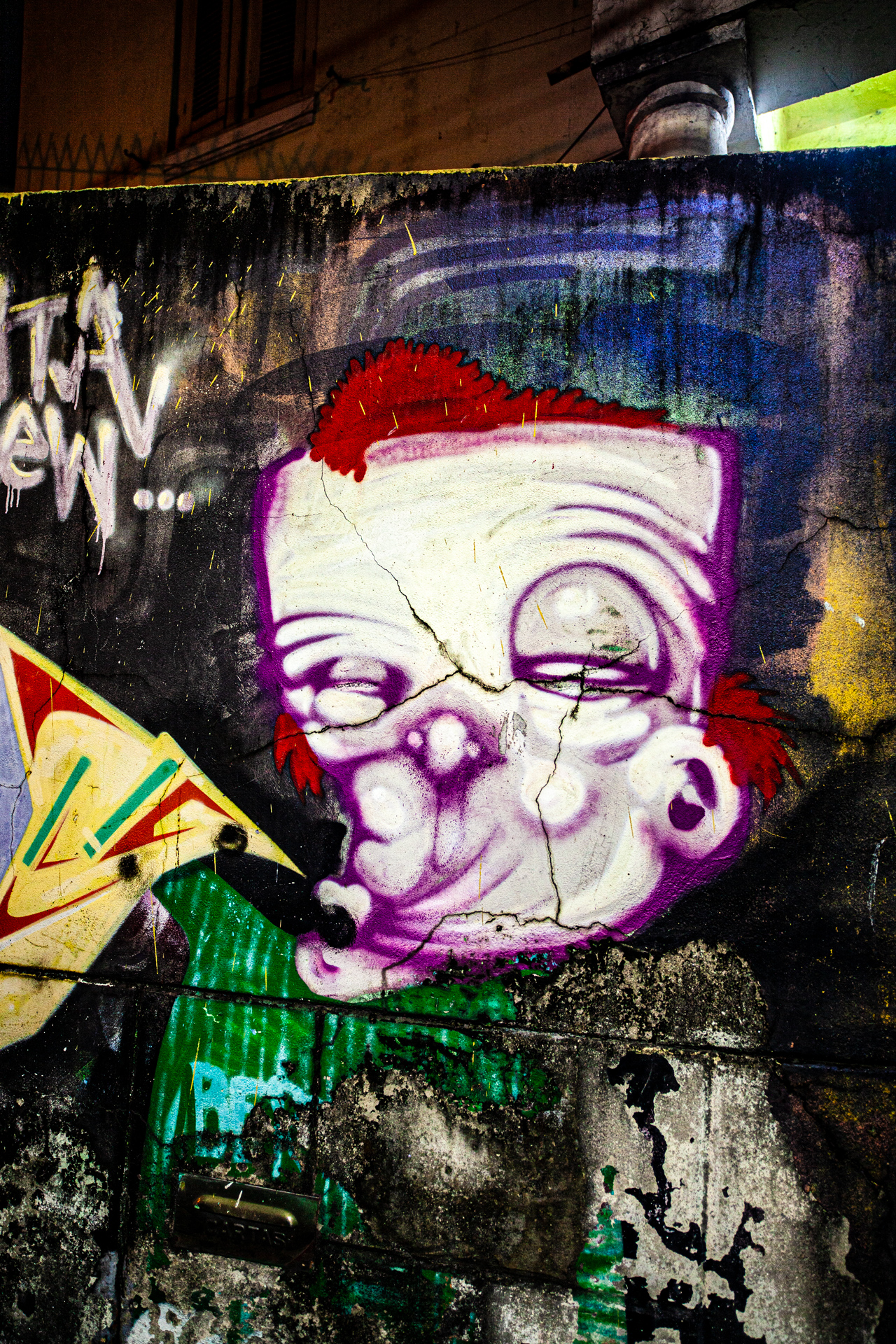
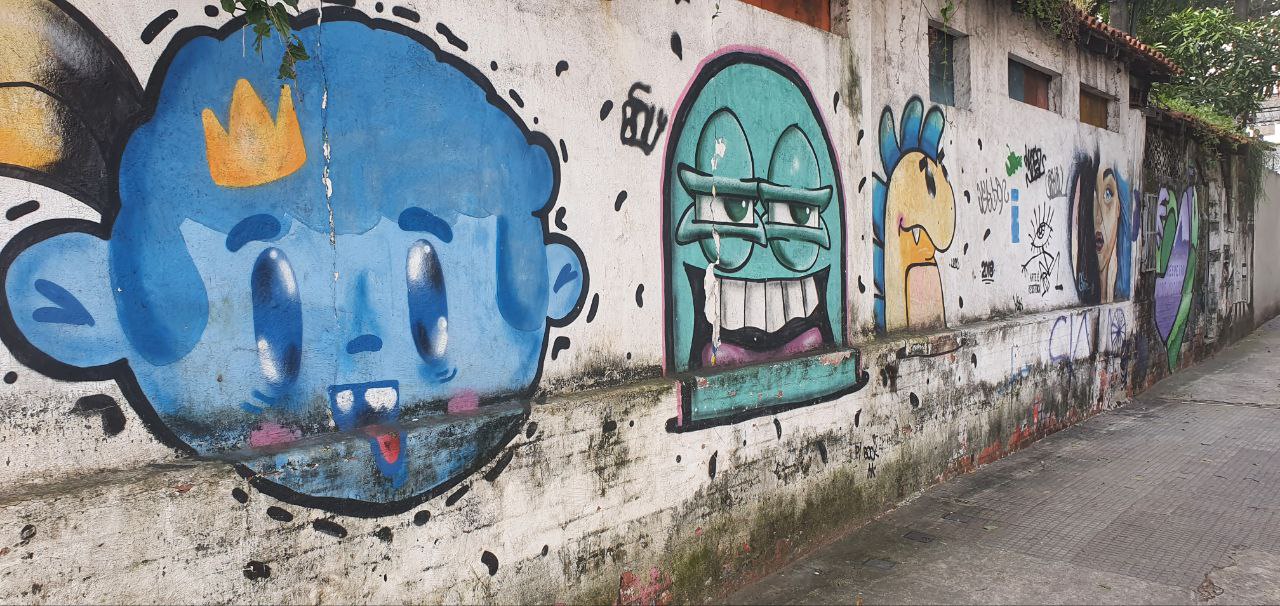
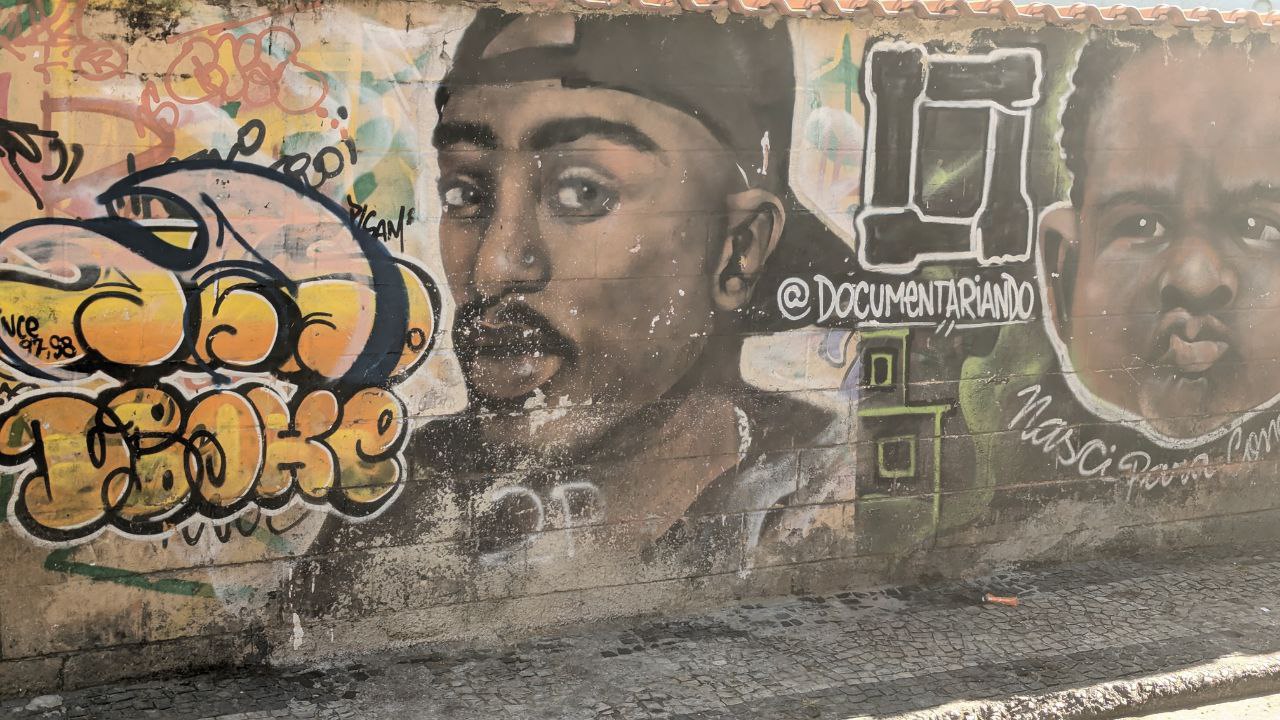
During the 1980s, Rio de Janeiro saw a surge in street art as a form of expression amidst political turmoil. Artists used public spaces to voice dissent against the military dictatorship that ruled Brazil from 1964 to 1985. These early works were often politically charged, conveying messages of resistance, hope, and the fight for democracy. The movement gained momentum as more artists joined in, using the city's walls as their canvas to reflect the social and political climate of the time.
The Rise of Favela Art in the 2000s:
In the early 2000s, street art began to flourish in Rio's favelas (informal settlements), bringing global attention to these often-overlooked communities. Artists like the duo Osgemeos and JR used their talents to transform the favelas into vibrant art hubs. Their projects, such as JR's "Women Are Heroes," highlighted the beauty and resilience of favela residents, challenging stereotypes and promoting social change. This period marked a shift in street art, from political protest to a celebration of community and identity.
Rio Street Art Festival Inception in 2012:
The Rio Street Art Festival, launched in 2012, marked a significant milestone in the recognition and celebration of street art in the city. This annual event brought together local and international artists to create large-scale murals across Rio, fostering cultural exchange and elevating the city's status as a global street art capital. The festival not only showcased the talents of renowned artists but also provided a platform for emerging voices, contributing to the dynamic and ever-evolving street art scene in Rio de Janeiro.